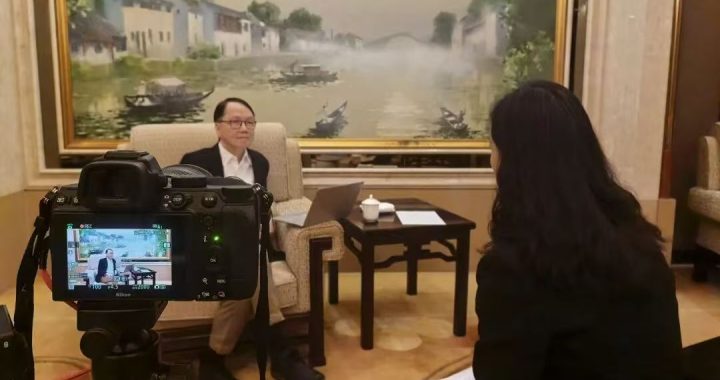
An interview with Dr Stanley Yip by the Jiangsu Provincial Green Building Association (JGBA) *, January 2026. The building sector is a significant contributor to China’s CO₂ emissions. In a recent interview with the Jiangsu Provincial Green Building Association (JGBA), Dr Yip shared his perspective on integrating the sector into the national carbon market. The mandatory carbon market currently focuses on supply-side industries like power, cement, and steel. Including buildings is complex because most emissions happen during usage, making tracking difficult. The key takeaways for a practical path forward are: Leverage the Voluntary Market (CCER): In the short term, the China Certified Emission Reduction (CCER) program offers a pragmatic solution. We need robust methodologies to measure and aggregate efficiency improvements and low-carbon materials across a building’s entire lifecycle—from construction to operation and demolition. Think Aggregation: Individual projects yield modest credits, but bundling many small initiatives—such as an industrial park’s collective rooftop solar—creates a substantial, viable carbon asset that can attract financing. Adopt the “Two-Track” EU Model: Combining strict building standards with market-based carbon pricing on energy/fuel suppliers drives stronger results than either alone. Prioritize Data & Global Alignment: Developing realistic regional baselines, ensuring data integrity with AI tools, and aligning […]